
What It Means When Your Garage Door Feels Heavy
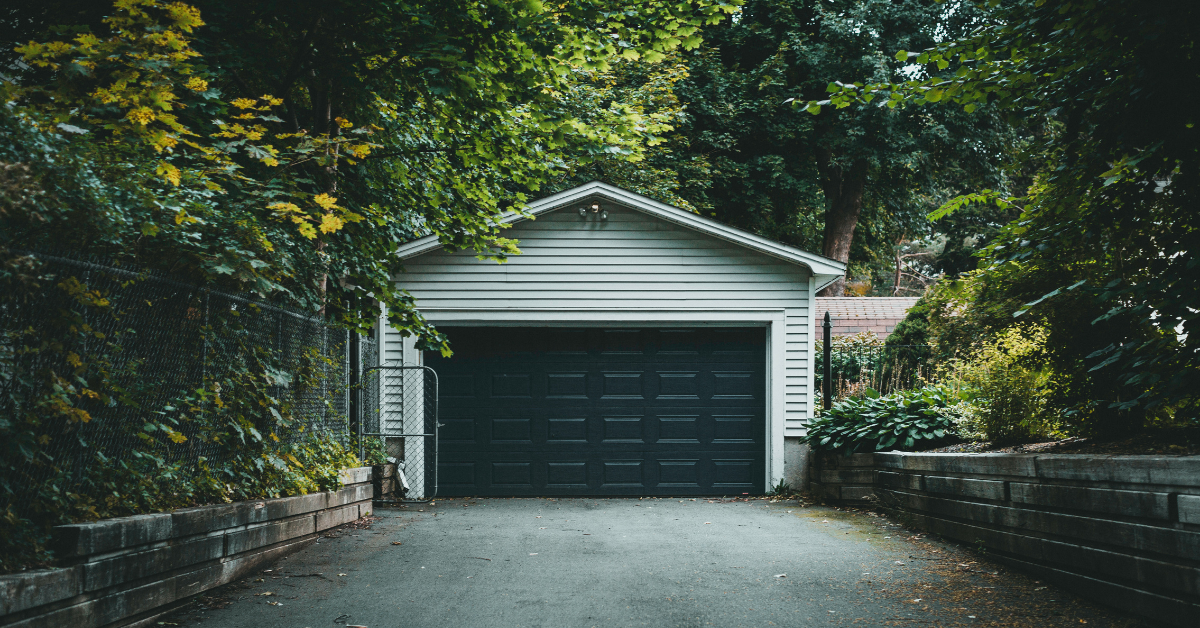
A garage door that suddenly feels heavier than usual is one of those problems that’s easy to dismiss — until it isn’t. Most homeowners don’t think much about their garage door until it stops working the way it should. But a door that feels unusually heavy, drags when opening, or strains the opener is telling you something important: the mechanical system supporting it may be failing.
Garage doors are not simple machines. A standard residential door can weigh anywhere from 130 to over 400 pounds, and the only thing keeping that weight manageable is a carefully balanced system of springs, cables, rollers, and hardware working in sync. When any part of that system breaks down, the door becomes difficult — and sometimes dangerous — to operate.
Attempting to diagnose or repair a garage door without proper training puts you at serious risk of injury. These systems operate under extreme tension, and a mistake can result in snapped cables, collapsing doors, or worse. If your door feels heavy or is behaving differently than normal, the safest step is to stop using it and contact us at DG Door Service for a professional inspection. We provide Garage Door Repair throughout Central Arkansas and are equipped to diagnose and fix the problem correctly.
Common Causes of a Heavy Garage Door
Broken or worn torsion springs are the most frequent cause. These springs mount horizontally above the door and do the heavy lifting, counterbalancing the door’s weight so it opens and closes with minimal effort. When a spring breaks — and they do break, typically after years of use — the door loses that counterbalance almost entirely. What was once a manageable door suddenly feels like dead weight. This is a Garage Door Spring Repair situation that needs professional attention immediately.
Extension springs, found on older systems running parallel to the horizontal tracks, can also weaken or snap. Like torsion springs, they store and release energy during operation. A broken extension spring throws the entire door balance off and can create a serious hazard if the door shifts unevenly during operation.
Cable problems are closely related. Cables work alongside the springs to guide the door’s movement. If a cable frays, slips off its drum, or snaps, the door can become lopsided or nearly impossible to lift safely. You may notice one side of the door sitting lower than the other — a clear signal that the cable system needs attention.
Worn rollers and binding tracks add friction to a system designed to move smoothly. Rollers that are cracked, flat-spotted, or lacking lubrication create drag throughout every movement cycle. Tracks that are bent, misaligned, or caked with grime compound the problem. What feels like a heavy door is sometimes actually a door fighting unnecessary resistance along its entire travel path.
Opener motor strain is often the last symptom homeowners notice. The opener isn’t designed to compensate for a poorly balanced door — it’s designed to move an already-balanced door with minimal effort. When the mechanical system underneath fails, the opener absorbs the excess load. Our Garage Door Opener Repair service often begins by determining whether the opener is the real problem or a casualty of something else entirely.
Warning Signs Homeowners Should Watch For
A heavy door rarely appears without warning. In most cases, there are early signals that the system is under stress. Catching these signs early can prevent a minor repair from turning into a full replacement.
- The door feels noticeably heavier when lifting manually. A properly balanced door should rise smoothly and stay in place at mid-travel when the opener is disengaged. If it drops or requires real effort to lift, the spring balance is off.
- The opener sounds like it’s working harder than usual. Straining motors, slower-than-normal movement, or the opener reversing unexpectedly are all signs the mechanical load has increased beyond design limits.
- Loud popping, banging, or snapping sounds. A torsion spring breaking often produces a sound like a gunshot inside the garage. If you heard something loud and the door stopped working correctly, a spring has likely failed.
- Uneven movement or one side drooping. If the door tilts during operation, a cable or spring on that side has failed or weakened significantly.
- The door stops midway or reverses on its own. Modern openers have force-sensing features that trigger a stop or reversal when resistance exceeds a set threshold. A heavy, unbalanced door will trip this repeatedly.
- Visible gaps or slack in the cables. Cables hanging loosely near the bottom corners of the door or coiled unevenly on the drums above indicate the cable system needs immediate inspection.
Any of these warning signs warrants a call before the situation gets worse. We serve homeowners across our service areas in Central Arkansas:
Why This Problem Should Be Taken Seriously
It’s tempting to keep manually wrestling a heavy door open and closed and tell yourself you’ll deal with it later. We hear this from homeowners regularly. But continuing to operate a door with a failing spring or cable system creates real risks.
Injury risk is significant. A garage door that loses spring tension unexpectedly can fall rapidly and without warning. A door weighing several hundred pounds dropping suddenly can cause serious injury to anyone beneath it. Children and pets are especially vulnerable.
Secondary damage compounds quickly. When a door operates out of balance, every component absorbs extra stress. Rollers wear faster, tracks can bend, the opener motor strains, and hardware loosens. What starts as a single broken spring can cascade into a much more expensive repair if the door continues to be forced open and closed.
Security becomes a real concern. A door that won’t fully close, sits unevenly in the frame, or can be forced open manually creates a vulnerable entry point into your home — an often-overlooked aspect of residential security.
Convenience turns into a genuine problem fast. For most households, the garage door is the primary entrance to the home. A door that’s unreliable disrupts your daily routine in ways that are hard to overstate, especially during an Arkansas summer.
Why Professional Service Is the Right Call
Garage door spring systems are not consumer-serviceable components. Torsion springs in particular store enormous amounts of mechanical energy — enough to cause severe injury if released suddenly or handled without the right tools and training. Professional technicians use specialized winding bars, torque calculations, and years of hands-on experience to work with these systems safely.
Beyond safety, professional diagnosis gets to the actual root cause. A homeowner might notice a heavy door and assume the opener is failing — but without a full inspection, it’s easy to replace the wrong component and still have a broken system. We approach every service call with a complete system assessment, not just a surface-level fix.
Homeowners in our service areas rely on us as a licensed contractor because the stakes with garage door systems are genuinely high. Our Arkansas Contractor License reflects our commitment to doing this work correctly and to code.
What We Look For During a Service Visit
When our technicians arrive at a service call for a heavy or struggling door, we perform a structured inspection of the full system — not just the most obvious point of failure.
- Spring condition and tension: We assess whether torsion or extension springs are broken, stretched, or approaching end of service life. Springs are rated for a specific number of cycles, and knowing where yours stand informs the right repair recommendation.
- Cable tension and integrity: Both cables must carry equal load. We inspect for fraying, uneven tension, improper seating on the drums, and anchor point wear.
- Door balance test: A properly balanced door should stay in place when stopped at mid-travel. We test this manually to confirm the spring system is doing its job.
- Track alignment: Tracks that are bent, separated from the wall, or misaligned add friction and can cause binding throughout the full range of motion.
- Roller wear: Worn nylon or steel rollers dramatically increase resistance. We inspect each roller for wear, flat spots, or cracking and replace as needed.
- Opener performance and force settings: We verify the opener is operating within its intended parameters and that force settings are properly calibrated for the door’s current condition.
- Hardware and fasteners: Loose hinges, brackets, and bolts compromise structural integrity and contribute to uneven door movement over time.
This level of inspection is standard on every service visit — not an upsell. If a full replacement turns out to be the right call, our Garage Door Installation service covers the entire process from selection through setup.
When to Call DG Door Service
If your garage door feels heavier than it used to, don’t wait for the spring to fully snap or the opener to burn out. The right time to call is when you first notice something is off — before a manageable repair becomes a much larger one.
Contact us if you experience any of the following:
- The door feels heavy or sluggish when lifted manually
- The opener sounds like it’s straining or running slower than normal
- You heard a loud bang from the garage and the door no longer operates correctly
- One side of the door sits lower than the other
- The door reverses or stops on its own during operation
- You can see loose or hanging cables near the door
Don’t force a failing door. Contact us at DG Door Service and let our team handle it correctly, safely, and the first time.
Serving Central Arkansas Homeowners
We provide Garage Door Repair, Garage Door Spring Repair, Garage Door Opener Repair, and Garage Door Installation for homeowners across our service areas in Central Arkansas:
If your garage door is giving you trouble, reach out to our team today — we’re ready to help.
Follow DG Door Service
Related Posts
A garage door that suddenly refuses to open can disrupt an entire day. Many homeowners rely on their garage door as the primary entrance to the home, so when it stops working, it quickly becomes more than just an inconvenience. Whether you’re trying to leave for work or return home