
Why Your Garage Door Opens Then Immediately Closes
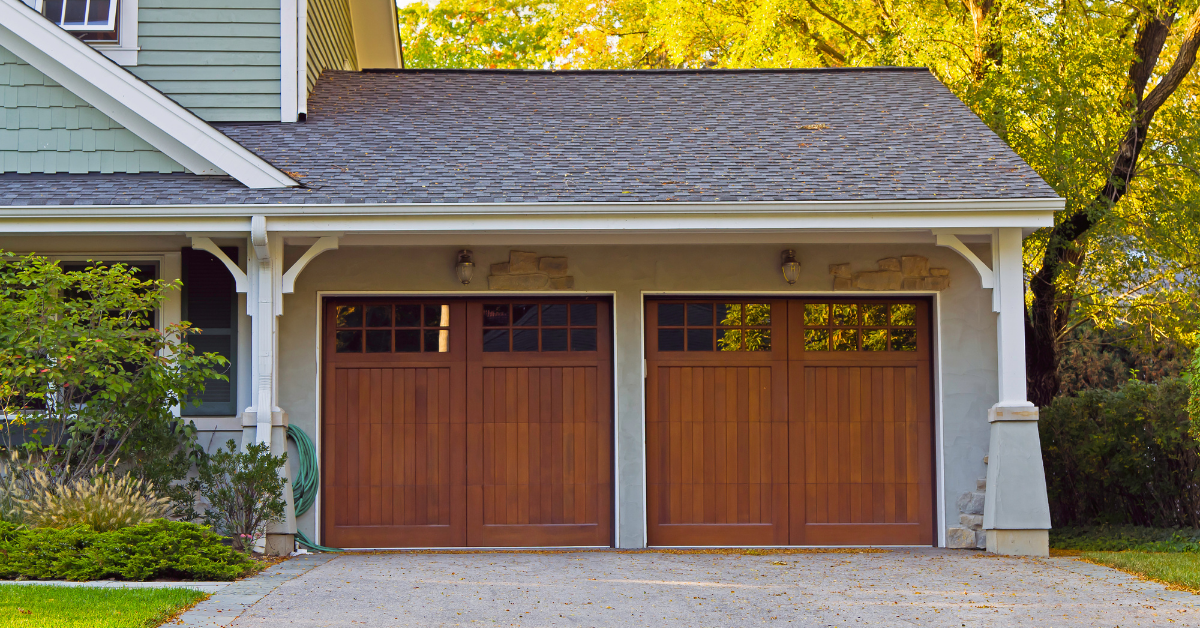
You press the button, the door starts to rise — and then it stops and comes right back down. It’s one of the more frustrating garage door problems a homeowner can run into, especially when you’re in a hurry. The door appears to be working, but something is clearly wrong. This behavior isn’t random. Your garage door system is telling you it detected a problem and stopped itself as a safety measure.
Modern garage door openers are designed with built-in logic that monitors the door’s movement, force, and sensor signals during every cycle. When something falls outside of normal parameters — a blocked sensor, a misaligned component, or a force limit being exceeded — the opener is programmed to reverse the door rather than risk injuring someone or damaging property. That’s the system working as intended. But understanding why it’s triggering, and fixing it correctly, requires a professional inspection.
Attempting to bypass or manually override these safety features without proper training is dangerous. If your garage door is reversing unexpectedly, the right move is to contact us at DG Door Service for a proper diagnosis. We provide Garage Door Repair throughout Central Arkansas and can identify exactly what’s causing the problem.
Common Causes of a Door That Reverses After Opening
Misaligned safety sensors are the most common culprit. Every modern garage door opener is required by law to have a pair of photoelectric safety sensors mounted near the bottom of the door tracks — one on each side. These sensors project an invisible beam across the opening. If that beam is broken or if the sensors are out of alignment with each other, the opener interprets it as an obstruction and reverses the door. Even a small bump, vibration, or shift in the mounting bracket can knock a sensor just enough to cause this problem.
Something blocking the sensor beam is a simpler version of the same issue. Dirt, spider webs, leaves, or even direct sunlight hitting the sensor lens at a certain angle can interfere with the signal. The opener can’t distinguish between a real obstruction and a dirty lens — it just sees a broken beam and reverses.
Force limit settings that are out of calibration are another frequent cause. Garage door openers use adjustable force settings to determine how much resistance is acceptable during operation. If the door encounters more resistance than the force limit allows — due to a mechanical problem, added friction, or settings that have drifted over time — the opener reverses as a safety response. A door that reverses immediately after fully opening often points to the up-force limit being set too low, or to a mechanical issue creating resistance at the top of travel.
A worn or broken spring can create the same symptom. When a torsion or extension spring is failing, the door becomes harder to lift and the opener has to work against a load it wasn’t designed to carry alone. That extra resistance can trigger the force-sensing reversal logic. Our Garage Door Spring Repair service addresses this directly — and it’s important to have spring issues handled professionally, as these components are under extreme tension.
Track and roller problems add friction throughout the door’s travel. Bent tracks, debris in the track channel, or worn rollers create resistance that the opener registers as an obstruction. The door may open partway, slow down noticeably, and then reverse when the resistance exceeds the force threshold.
Opener logic board faults are less common but do occur. The circuit board inside the opener controls all of its safety logic. If the board is malfunctioning, it may send incorrect reversal signals even when the door and sensors are operating normally. Our Garage Door Opener Repair service includes diagnosis of the opener unit itself to rule this out.
Warning Signs to Watch For
The reversal behavior itself is the primary symptom, but there are often additional signs that help narrow down the cause.
- The sensor indicator lights are off, blinking, or amber instead of green. Most openers have LED indicators on each sensor. A solid green light on both sensors typically means the beam is clear and aligned. An amber or blinking light indicates a problem with the sensor signal.
- The door reverses at the same point in its travel every time. If the door consistently reverses at a specific spot — midway up, or right at the top — it suggests a mechanical obstruction or force limit issue at that position rather than a sensor problem.
- The door moves slowly or unevenly before reversing. Sluggish or jerky movement before the reversal points toward a mechanical cause — worn rollers, track binding, or a spring that’s losing tension.
- The opener light blinks a specific number of times after the reversal. Many openers use a blink code system on the light bulb to indicate fault codes. Counting the blinks and referencing the opener manual can point to the general category of problem, though professional diagnosis is still needed to fix it correctly.
- The door works fine when operated manually but not with the opener. If you can lift the door smoothly by hand after disengaging the opener, the mechanical system is likely fine and the issue is with the opener’s settings or sensors specifically.
- The problem started after rain, wind, or physical contact with the sensors. Environmental factors frequently knock sensors out of alignment. If the behavior began after a storm or after something brushed against the sensor housing, alignment is the first thing to check.
If you’re noticing any of these signs, don’t keep cycling the door hoping it resolves itself. Contact our team for a proper inspection. We serve homeowners across our service areas in Central Arkansas:
Why This Problem Should Be Taken Seriously
It’s easy to treat a reversing door as a nuisance rather than a safety issue — especially if you can still get in and out by holding the wall button or repeatedly pressing the remote. But that approach comes with real risks worth understanding.
The safety system exists for a reason. The sensor and force-reversal system on your opener is specifically designed to prevent the door from closing on a person, pet, or vehicle. If you find workarounds to override it, you’re defeating the only automated protection the system has against a serious crushing injury.
Intermittent problems become complete failures. A sensor that’s slightly out of alignment today may work fine half the time and fail the other half. That unpredictability is its own hazard — a door that sometimes closes fully and sometimes doesn’t gives you a false sense of security about when it’s actually safe to walk underneath it.
Mechanical causes get worse under continued use. If a worn spring or binding track is triggering the reversal, forcing the opener to keep attempting cycles accelerates the wear on both the opener motor and the mechanical components. What could be a straightforward repair becomes a more involved one.
An open or unreliable door is a security liability. A garage door that won’t stay closed — or that you’ve left open because it won’t cooperate — is an open invitation. For most homes, the garage is a direct entry point into the living space.
Why Professional Service Is the Right Call
Sensor alignment sounds simple on the surface, but diagnosing why a sensor is misaligned — and ensuring the fix holds — requires understanding the full system. Sensors that keep drifting out of alignment are often a symptom of a mounting bracket that’s been bent, a vibration problem from a mechanical issue elsewhere, or a track that’s shifted. Realigning the sensor without addressing the root cause means the problem comes back.
Force limit adjustments are even more nuanced. Setting the force limits correctly requires balancing the opener’s sensitivity against the actual mechanical resistance of the door in its current condition. Set too low, the door reverses unnecessarily. Set too high, the safety system won’t stop the door when it should. Getting that calibration right takes experience with the specific opener model and a properly balanced door as a baseline.
Homeowners in our service areas rely on us as a licensed contractor because the stakes with garage door systems are genuinely high. Our Arkansas Contractor License reflects our commitment to doing this work correctly and to code.
What We Look For During a Service Visit
When our technicians respond to a reversing door call, we work through a systematic inspection rather than guessing at the most likely cause.
- Sensor alignment and signal strength: We verify both sensors are properly aimed, securely mounted, and producing a clean signal. We also check the lenses for dirt or damage and inspect the wiring for breaks or loose connections.
- Obstruction check: We inspect the full sensor beam path and the track channel for anything that could be interfering with normal operation.
- Force limit calibration: We test the opener’s up and down force settings against the actual behavior of the door and adjust as needed to ensure proper sensitivity without compromising safety function.
- Spring condition and door balance: We check torsion or extension springs for wear or breakage and perform a balance test to confirm the door is properly counterweighted. An unbalanced door throws off every other calibration.
- Track and roller inspection: We check for track bends, debris, misalignment, and roller wear that could be creating resistance at specific points in the door’s travel.
- Opener logic and blink codes: We check for any active fault codes on the opener and assess whether the logic board is functioning correctly.
- Full cycle test: After addressing the identified issues, we run the door through multiple complete cycles to confirm the problem is resolved and the safety features are operating as designed.
If the opener itself has reached the end of its service life or sustained damage that makes repair impractical, we can walk you through Garage Door Installation options that include modern openers with improved safety logic and connectivity features.
When to Call DG Door Service
If your garage door is reversing after opening — whether it happens every time or only occasionally — that’s the right time to call. Intermittent problems don’t resolve on their own, and the longer a sensor or mechanical issue goes unaddressed, the more likely it is to worsen or create a secondary problem.
Contact us if you experience any of the following:
- The door opens fully or partially and then immediately reverses
- The door reverses at the same point in its travel every time
- Sensor indicator lights are amber, off, or blinking
- The opener light blinks repeatedly after a reversal
- The door works manually but reverses with the opener
- The problem started after rain, wind, or physical contact near the sensors
Don’t keep forcing a door that’s telling you something is wrong. Contact us at DG Door Service and let our team diagnose and fix it correctly the first time.
Serving Central Arkansas Homeowners
We provide Garage Door Repair, Garage Door Spring Repair, Garage Door Opener Repair, and Garage Door Installation for homeowners across our service areas in Central Arkansas:
If your garage door is giving you trouble, reach out to our team today — we’re ready to help.
Follow DG Door Service
Related Posts
A garage door that suddenly refuses to open can disrupt an entire day. Many homeowners rely on their garage door as the primary entrance to the home, so when it stops working, it quickly becomes more than just an inconvenience. Whether you’re trying to leave for work or return home